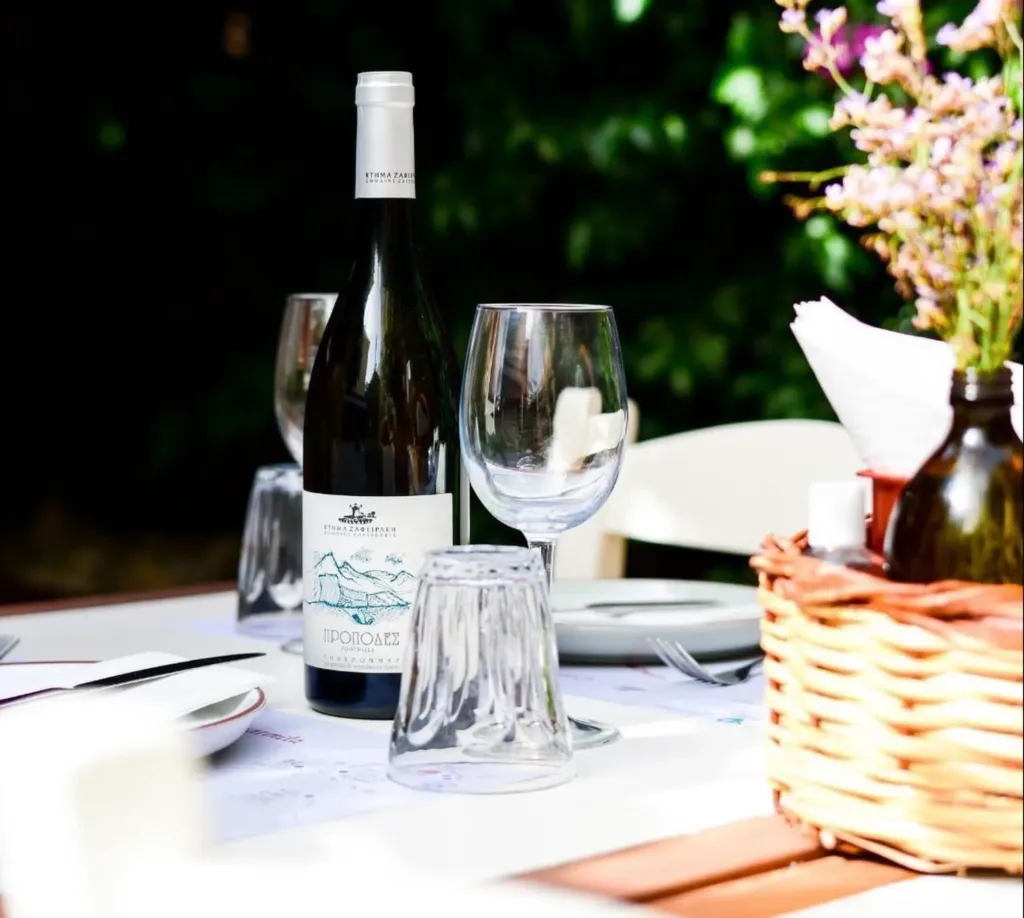
In Tyrnavos, at the foot of Mount Olympus, Ktima Zafeirakis has become one of the clearest modern references for Greek wine with identity. The estate is led by Christos Zafeirakis, a fourth-generation winemaker who studied oenology in Athens and continued his training in Turin and Milan before returning home in 2005 to plant his first organic vineyard. That return did not produce a nostalgic family continuation. It produced something much more relevant: a winery with roots, but also with vision.
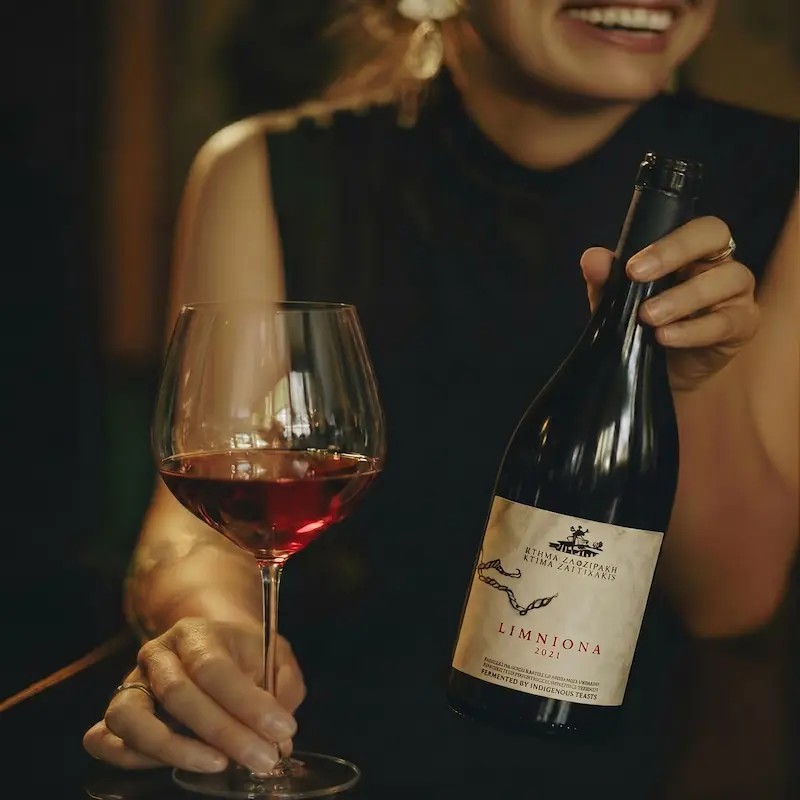
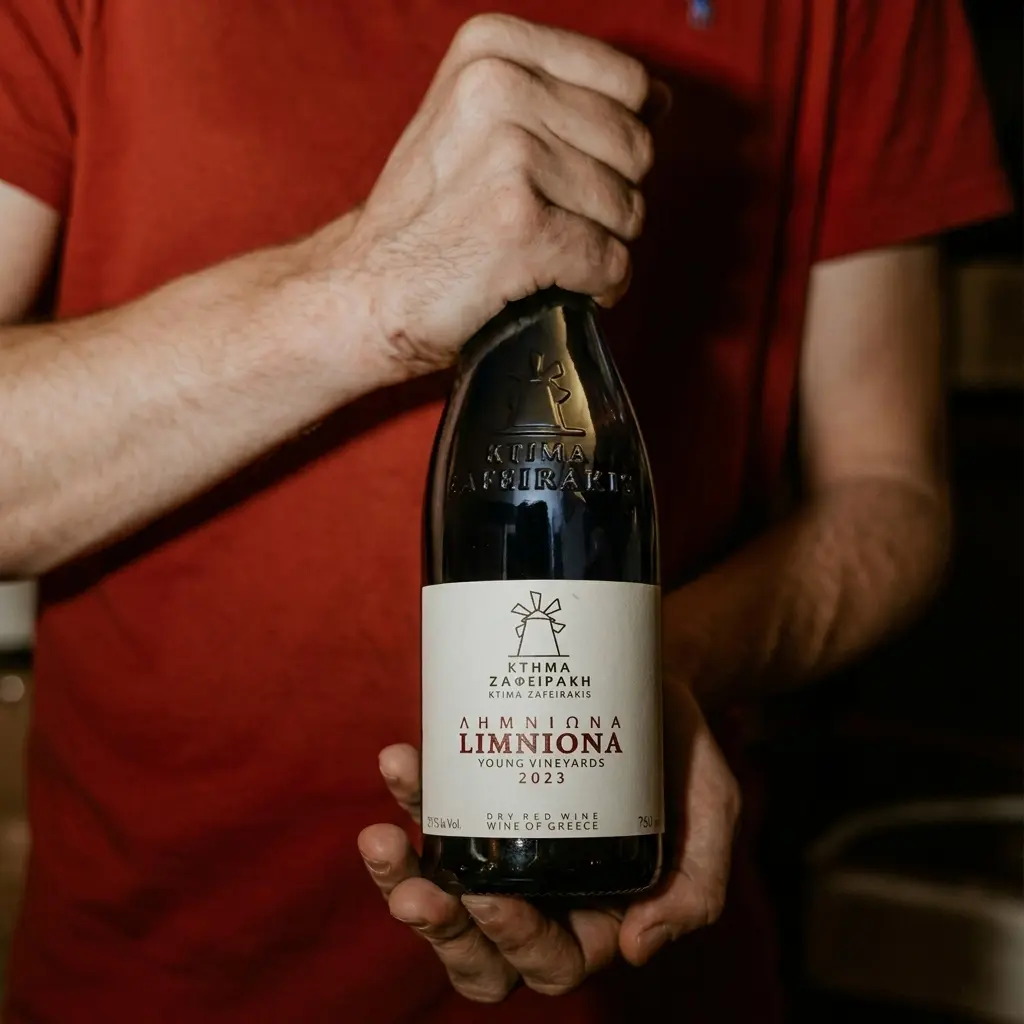
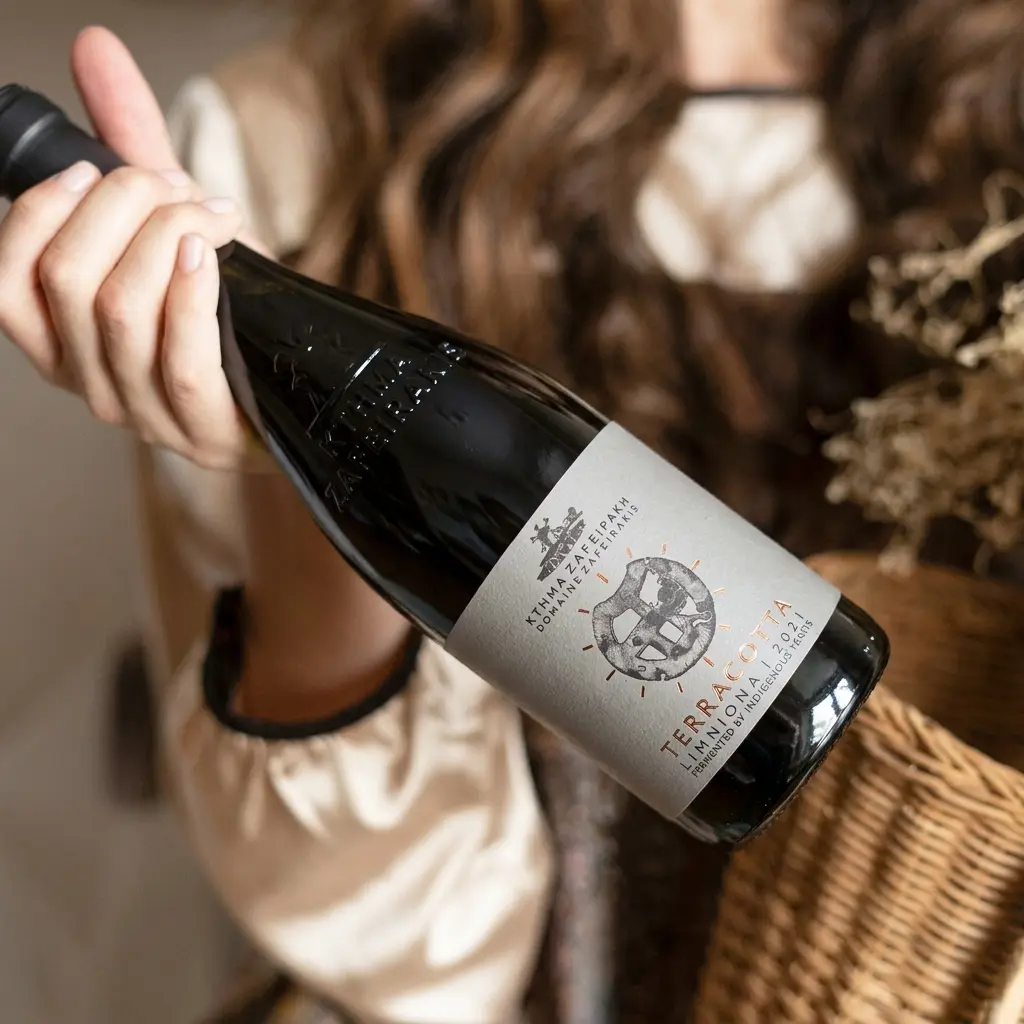
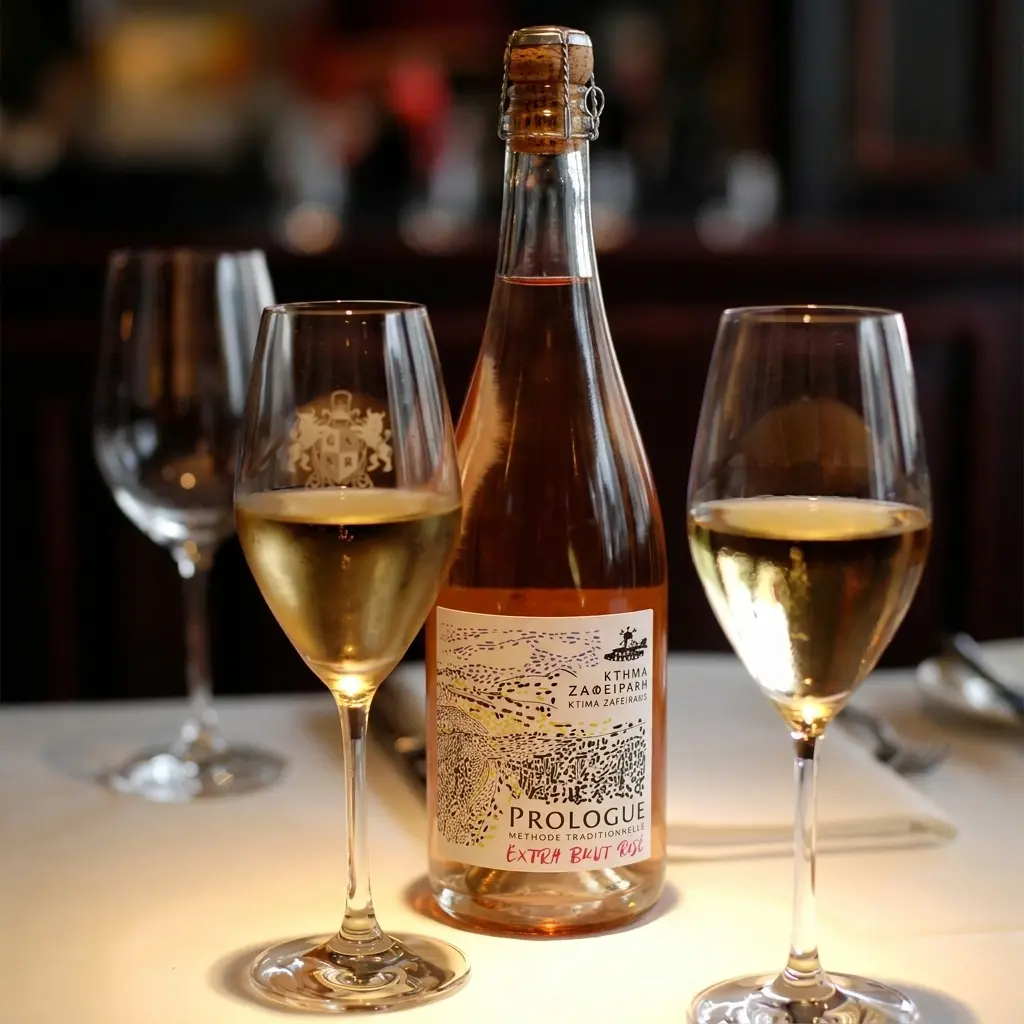
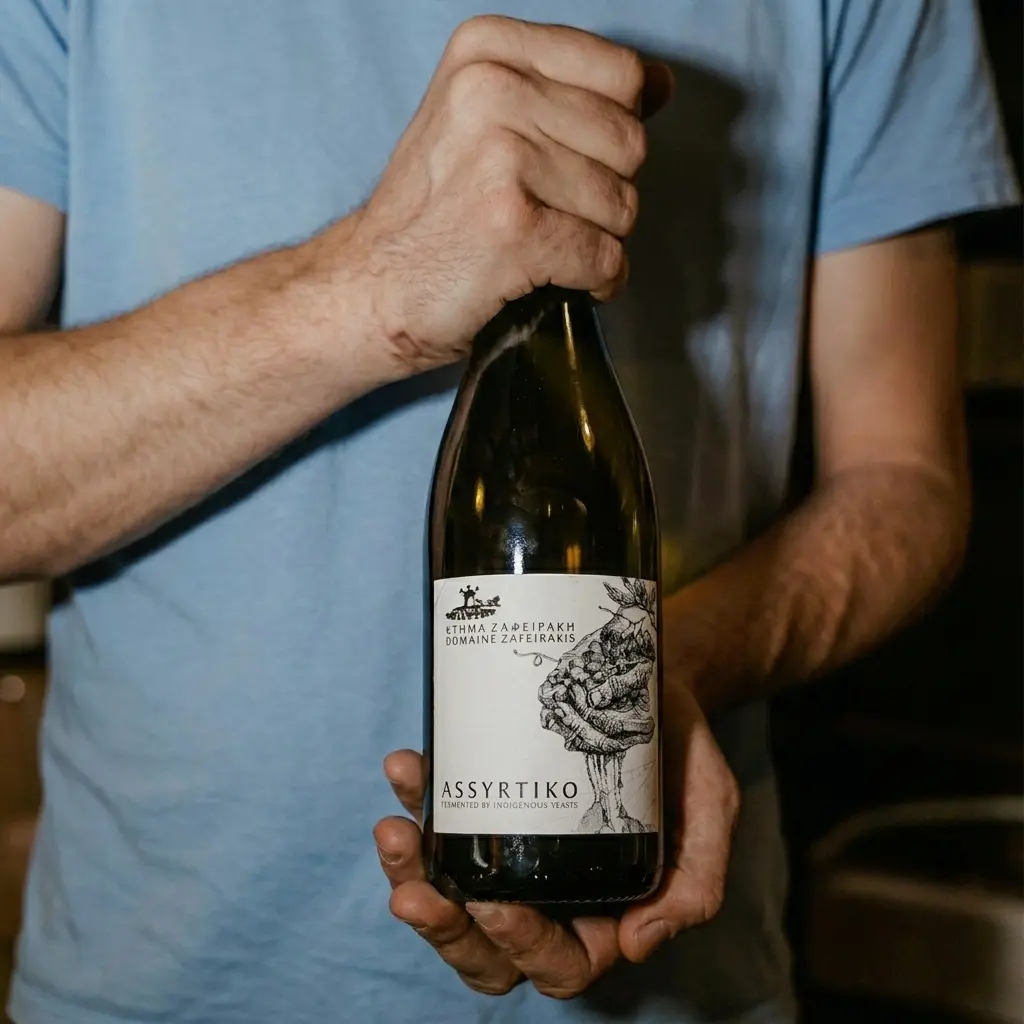
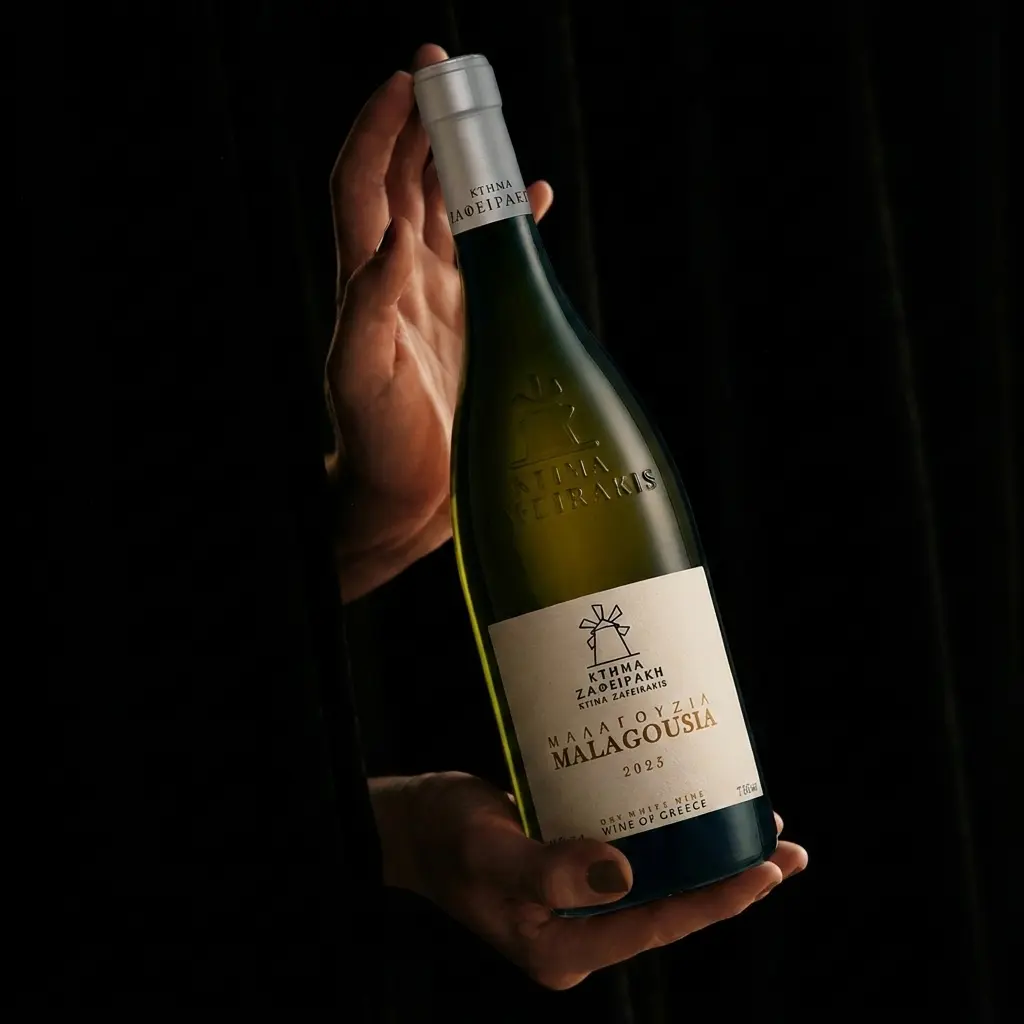
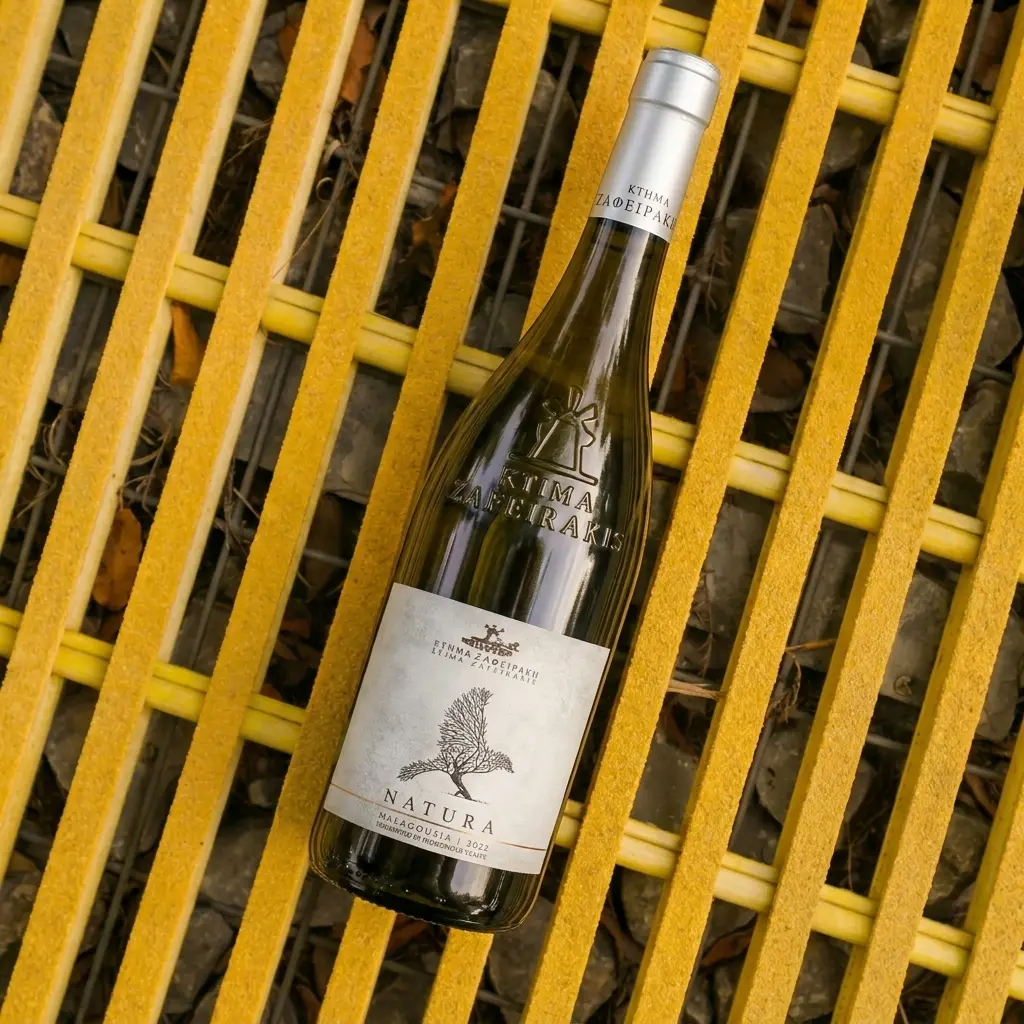
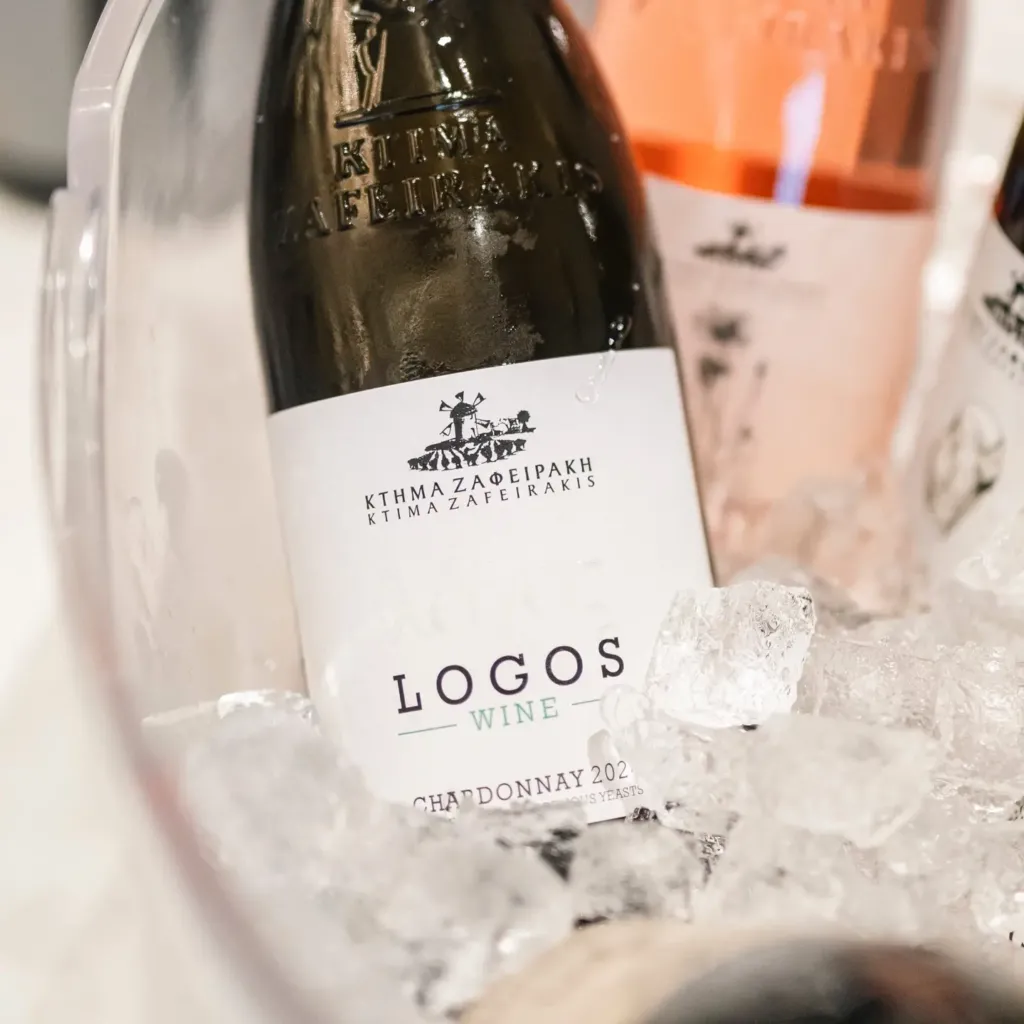
Today, Ktima Zafeirakis is closely associated with the revival of Limniona, the native red variety that Christos helped pull back from the margins and place firmly on the radar of serious buyers and sommeliers. Under his hand, Limniona shows what it is capable of when treated seriously: fragrance, finesse, structure, and real ageing potential. But the estate is not built on one success story alone. Alongside Limniona, the winery has developed a focused, highly coherent range around Malagousia, Assyrtiko, and Chardonnay, proving that Tyrnavos can deliver both character and clarity across styles.
The vineyards are central to that identity. Ktima Zafeirakis farms more than 15 hectares in the areas of Paleomylos and Kampilagas, where different soil profiles shape different expressions. Paleomylos, with sandy-clay soils, high flint content, and lower calcium, tends to give wines with early ripening and elegance. Kampilagas, by contrast, brings clay soils with high calcium concentration, trace elements, and strong drought resistance. This is not terroir as decoration. It is terroir that shows up in the glass through tension, texture, and detail.
Farming here has followed a clear direction from the beginning. The estate has been organic since 2005 and biodynamic since 2019, with vineyard work built around minimal intervention, biodiversity, and long-term soil health. That matters commercially as much as philosophically. These are not wines built to impress only on a tasting bench. They are wines with enough precision for top lists, enough personality to stand out in a crowded portfolio, and enough balance to keep drawing people back to the glass.
What makes Ktima Zafeirakis particularly relevant for the trade is that the wines manage to sit in a very useful place. They are articulate without becoming academic, distinctive without becoming difficult, and polished without losing their sense of origin. For buyers looking for Greek wines that feel contemporary, credible, and easy to believe in, Zafeirakis is not just a strong producer from Tyrnavos. It is one of the estates that helps explain why modern Greek wine matters in the first place.