Malagouzia
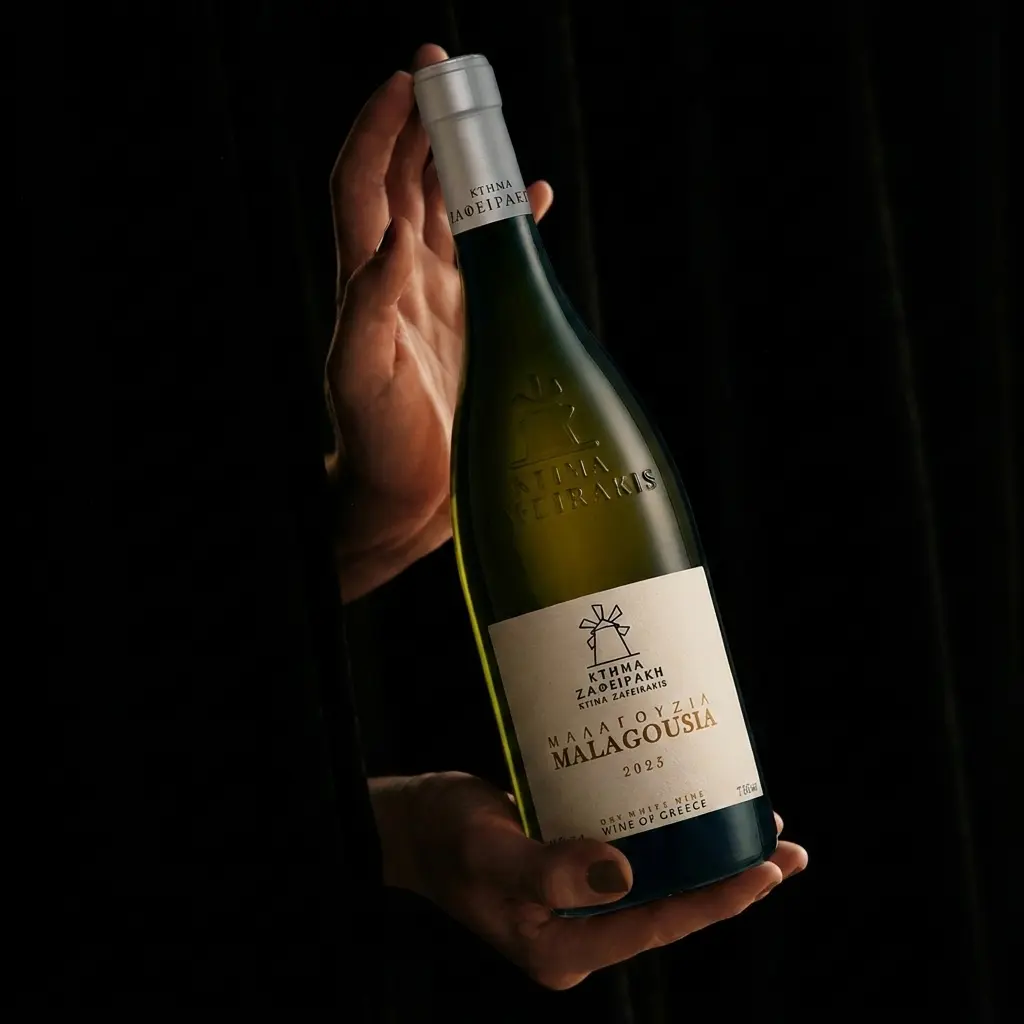
Zafeirakis’ Malagouzia is a strong example of why the variety works so well when handled with restraint. It has the aromatic lift buyers expect, but it stays clear, dry, and properly shaped. This is not a loose, overly perfumed white. It is a sharper, more disciplined version that brings charm without losing definition, which makes it easier to place on serious lists.
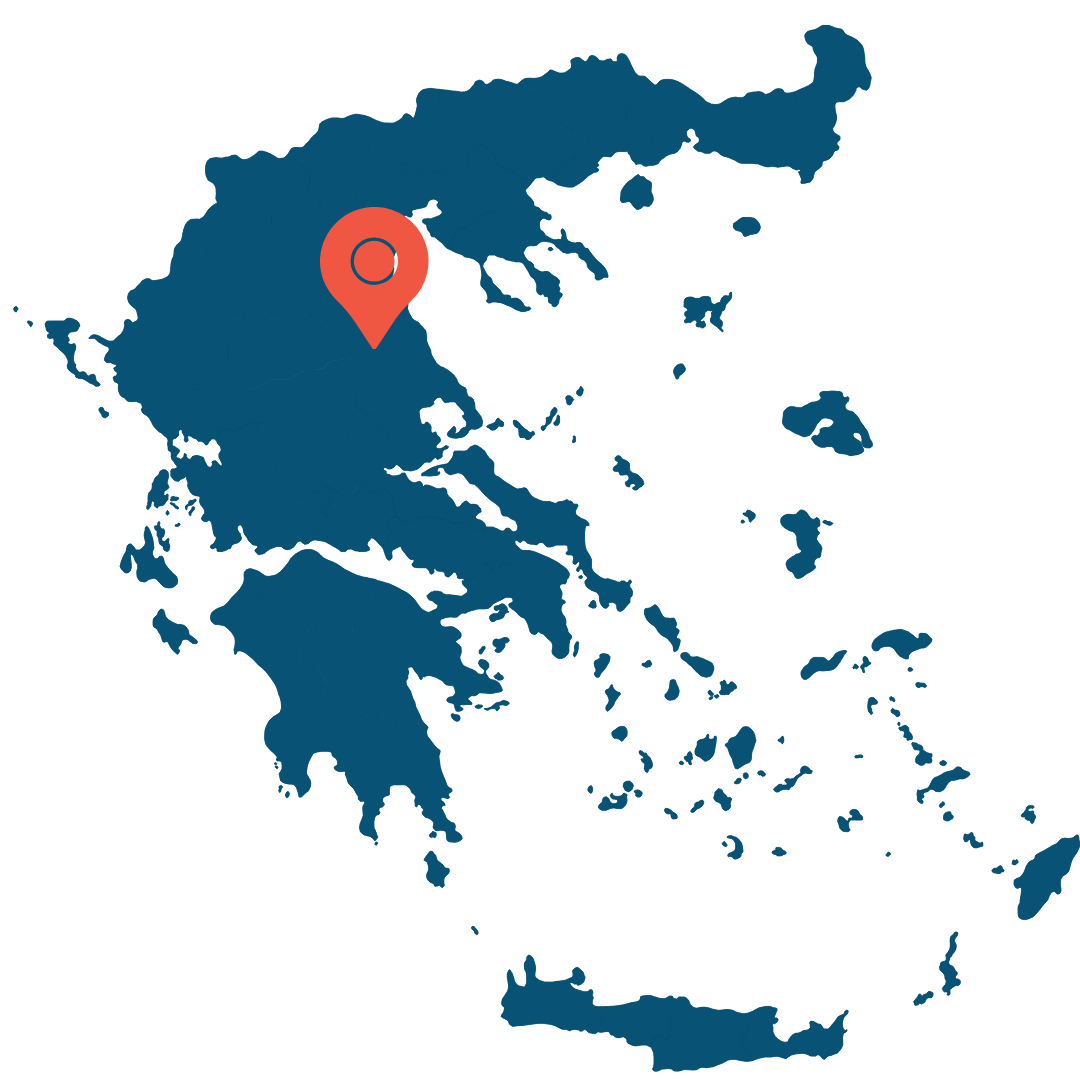
The wine comes from Paleomylos in Tyrnavos, in Thessaly, at 150 to 200 metres altitude. Sandy-clay soils with high flint concentration, a dry warm climate, and limited rainfall help keep the fruit focused. The vines are farmed organically and biodynamically, and at 10 to 15 years of age they deliver freshness, purity, and enough concentration to give the wine real presence.
In the cellar, the approach is clean and deliberate. The grapes are chilled before pressing, and fermentation takes place with spontaneous yeast in stainless steel. No oak, no decorative winemaking. The result is a bright, expressive white that works well by the glass, performs with Mediterranean cuisine, and gives buyers a more precise take on one of Greece’s most attractive aromatic varieties.
| Vintage | 2025 |
|---|---|
| Type | Dry White |
| Unit Size | 75cl |
| Country | Greece |
| Region | Thessaly |
| Primary Appellation | PGI Tyrnavos |
| Plot Size / Plot Elevation | Paleomylos, 150–200m |
| Soil | Sandy-clay, high concentration flints |
| Age of vines | 10–15 years |
| Farming | Organic and biodynamic cultivation |
| Varieties | Malagousia 100% |
| Fermentation | Grapes refrigerated for 24 hours at 7°C, lightly pressed without destemming; spontaneous fermentation in stainless steel tanks |
| Aging | Not stated |
| Tags | Aromatic, native variety, organic, biodynamic |
| Alcohol | 12.5% |
| Cork / Screw Cap | Cork |
Downloads
The producer
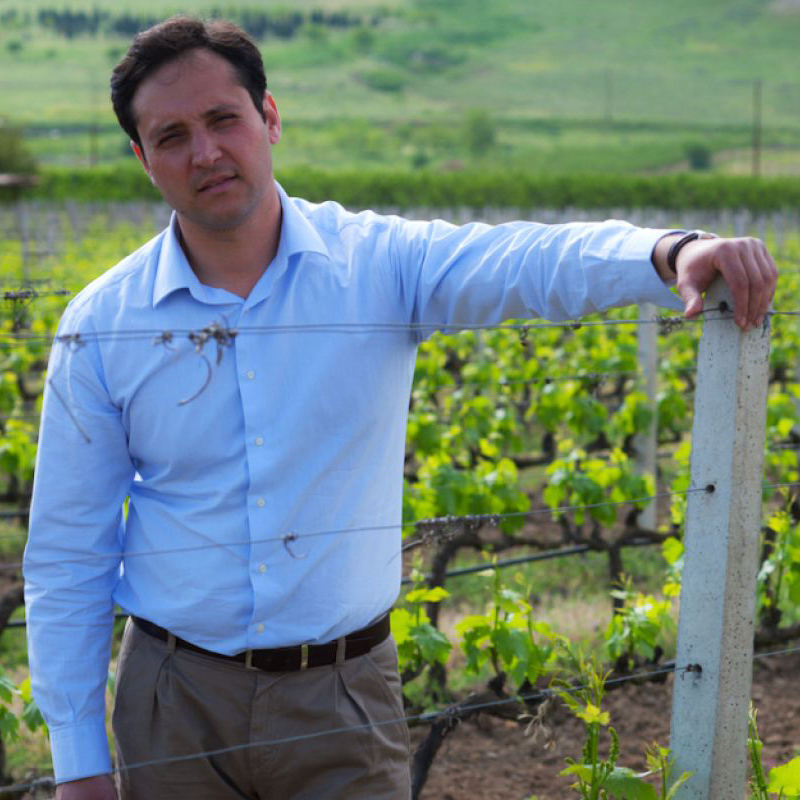
In Tyrnavos, at the foot of Mount Olympus, Ktima Zafeirakis has become one of the clearest modern references for Greek wine with identity. The estate is led by Christos Zafeirakis, a fourth-generation winemaker who studied oenology in Athens and continued his training in Turin and Milan before returning home in 2005 to plant his first organic vineyard. That return did not produce a nostalgic family continuation. It produced something much more relevant: a winery with roots, but also with vision… Read more