Prologue
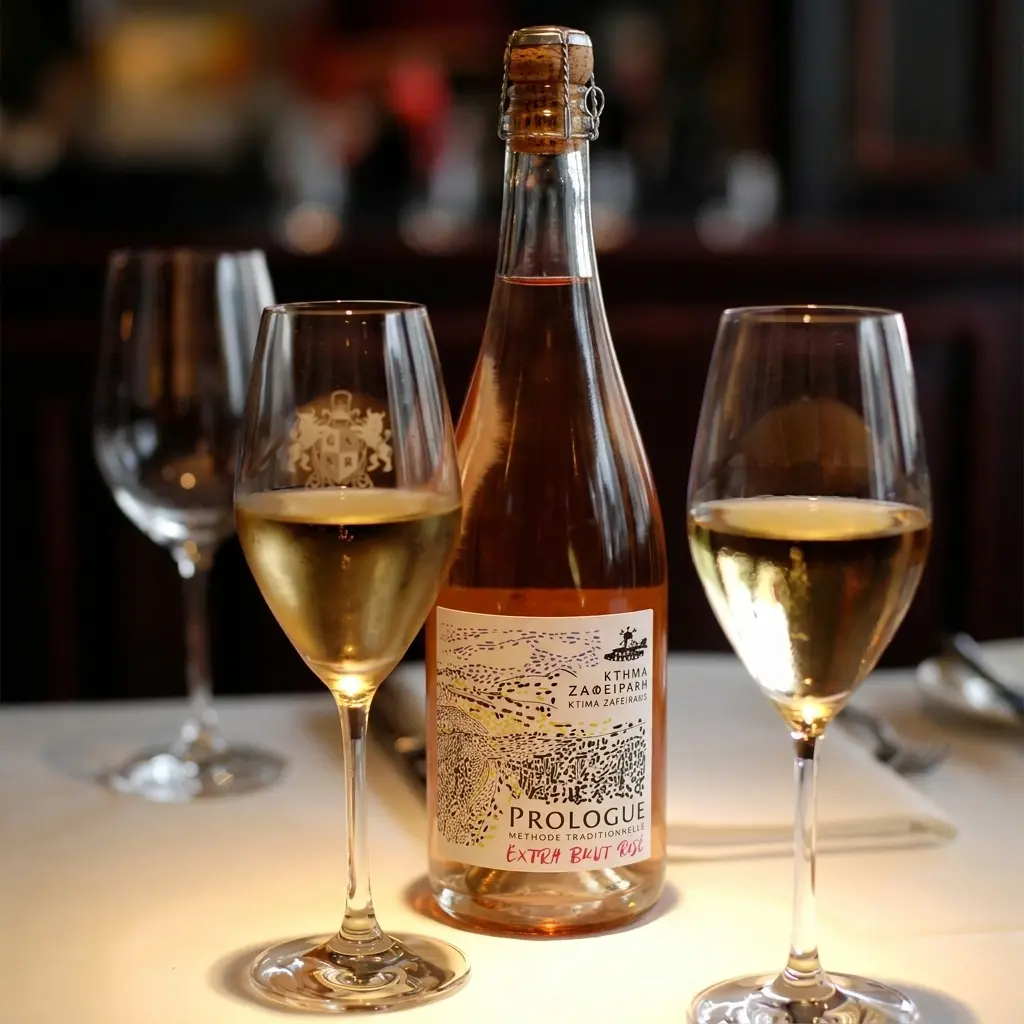
Prologue is not the obvious move from Tyrnavos, and that is exactly why it works. A traditional-method sparkling rosé built from Assyrtiko and Limniona, it brings together tension, lift, and a distinctly Greek point of view. For buyers looking beyond the usual sparkling references, this is a bottle that adds originality without drifting into novelty for novelty’s sake.
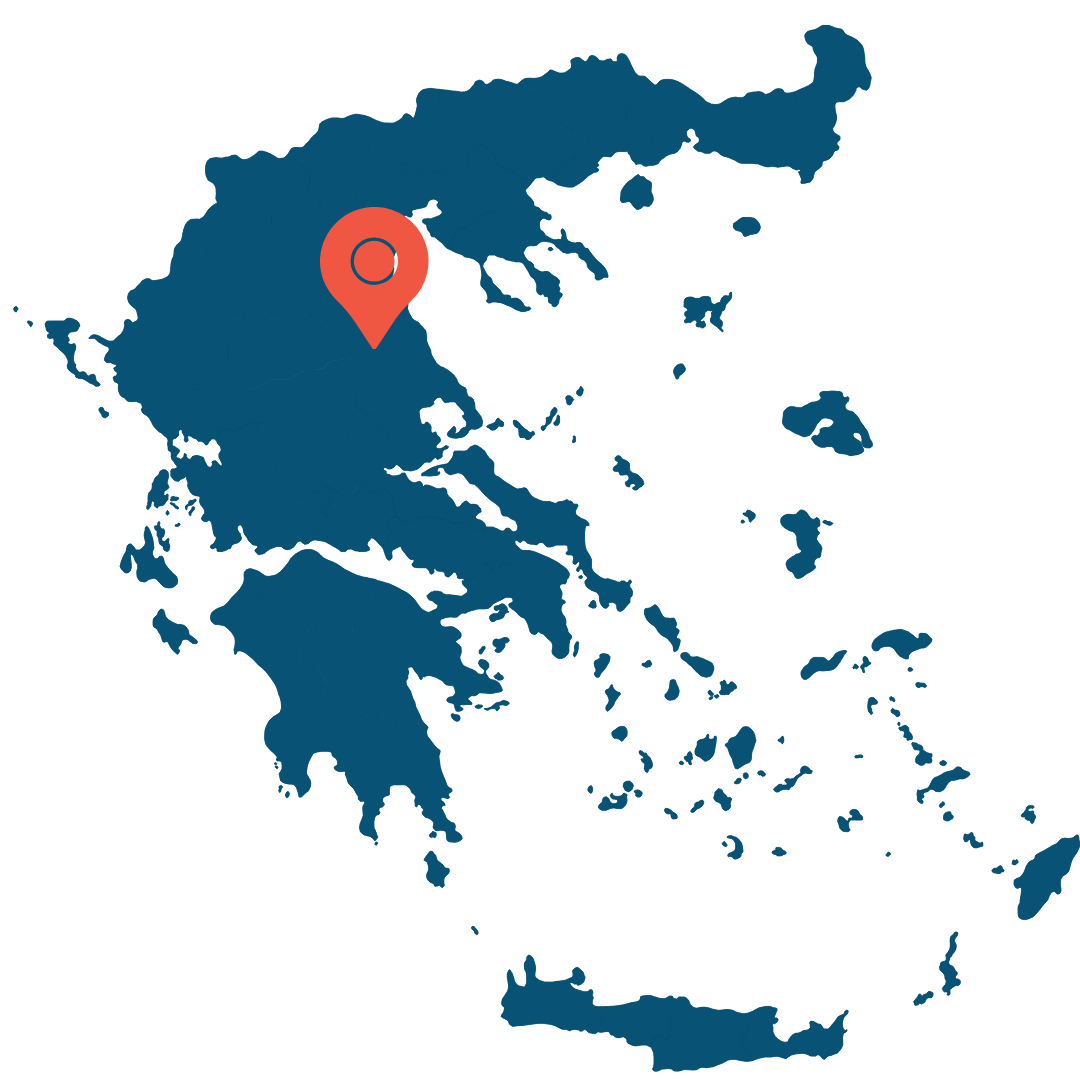
The fruit comes from Paleomylos in Tyrnavos, at 200 to 300 metres altitude, where sandy-clay soils rich in flint help shape the wine’s drive and precision. The climate is dry and warm, rainfall is limited, and the vineyards are farmed organically and biodynamically. With vines ranging from 10 to 28 years old, the base wine has both freshness and enough structure to handle bottle ageing well.
The cellar work is focused and exact. Prologue is made by the traditional method, with the second fermentation in bottle and 18 months on the lees. That time matters. It brings texture, persistence, and a more serious sparkling profile. On a list, this is a strong fit for aperitif service, seafood pairings, and buyers who want a Greek sparkler with real intent.
| Vintage | N/V |
|---|---|
| Type | Sparkling Dry Rosé |
| Unit Size | 75cl |
| Country | Greece |
| Region | Thessaly |
| Primary Appellation | PGI Tyrnavos |
| Plot Size / Plot Elevation | Paleomylos, 200–300m |
| Soil | Sandy-clay, high concentration flints |
| Age of vines | 10–28 years |
| Farming | Organic and biodynamic cultivation |
| Varieties | Assyrtiko 50%, Limniona 50% |
| Fermentation | Traditional method with second fermentation in bottle |
| Aging | 18 months lees contact |
| Tags | Traditional method, sparkling rosé, organic, biodynamic |
| Cork / Screw Cap | Cork |
Downloads
The producer
In Tyrnavos, at the foot of Mount Olympus, Ktima Zafeirakis has become one of the clearest modern references for Greek wine with identity. The estate is led by Christos Zafeirakis, a fourth-generation winemaker who studied oenology in Athens and continued his training in Turin and Milan before returning home in 2005 to plant his first organic vineyard. That return did not produce a nostalgic family continuation. It produced something much more relevant: a winery with roots, but also with vision… Read more