Before he made a single bottle, Federico Graziani was Italy’s best sommelier.
The Italian Sommelier Association gave him the title in 1998, when he was 23. He had been heading that way since hotel school at 14, and the years around the title took him through some of Italy’s great kitchens: Gualtiero Marchesi, Carlo Cracco, Aimo e Nadia. His job was to taste what other people made and decide which wines earned a place on the list.
Federico Graziani’s study trip ended in a vineyard
In 2006 Graziani finished a degree in viticulture and oenology at the University of Milan, under Professor Attilio Scienza. The same year he went to Etna, by his own account to study the mountain’s historic wine zones. There he met Salvo Foti, the grower whose Maestranza dei Vigneri stands for hand work and minimal intervention on the volcano, and who became his mentor.
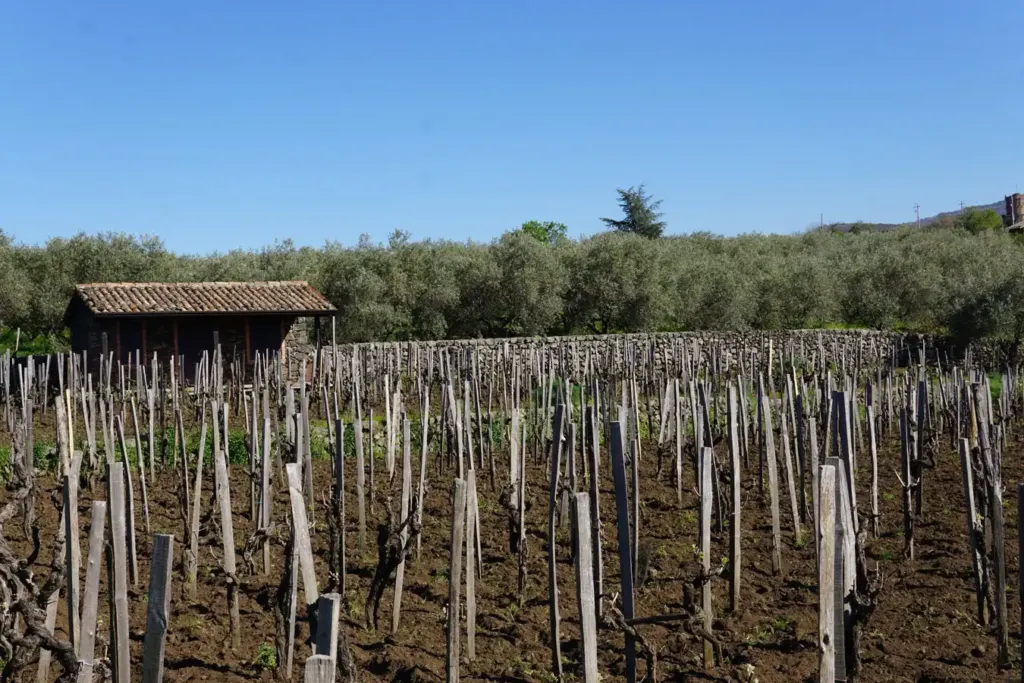
Two years later, at Passopisciaro on the north face, he heard that a small vineyard was about to be uprooted. Half a hectare, vines around a century old, some of them planted before phylloxera. He bought it without a business plan, to stop that piece of the mountain disappearing.
“It was a coup de foudre,” he has said. “The vines were ancient, and not in bad order.”
Then the rain took his first harvest.
That was 2009. He tried again the following year, and the first Profumo di Vulcano came from the 2010 vintage: about 1,000 bottles from those old vines.
Holding back keeps Nerello pale and bright
The vines grow as alberello, free-standing bushes each tied to its own chestnut pole, planted close together and worked by hand. Nobody irrigates them. That keeps yields low, and Nerello Mascalese needs low yields: push it for volume and it turns hard and astringent.
The same restraint runs through the cellar. The reds ferment on their own yeasts, and none of them goes near a new barrique. Nerello makes a pale wine with high-strung acidity and tannin that is fine but assertive, and new oak would smother exactly what makes it worth pouring.
He puts his approach in two short sentences: “A wine does not need to be perfect. It needs to be authentic.”
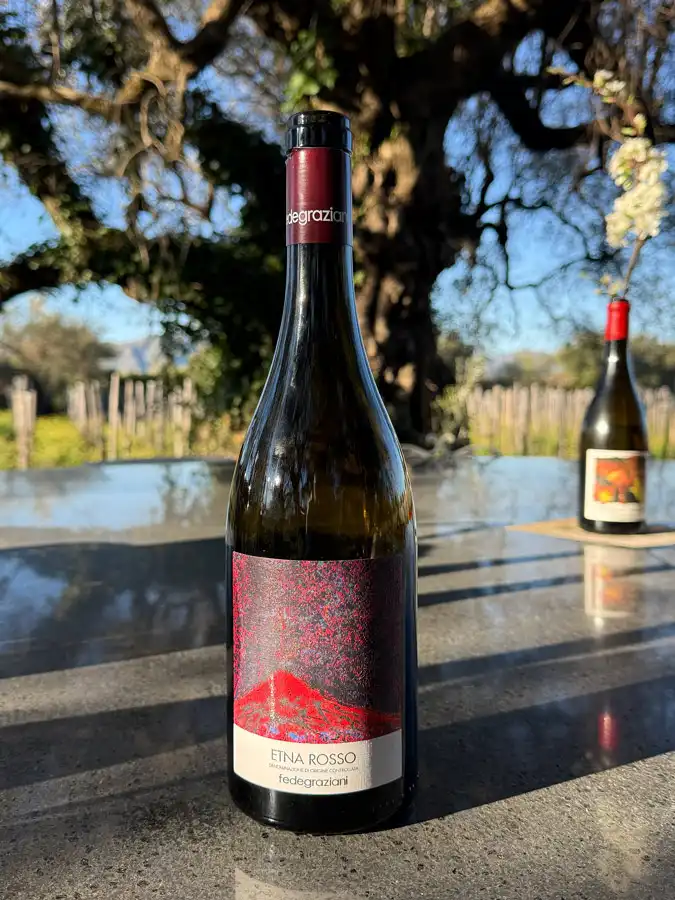
Every wine in the range leads to the Profumo
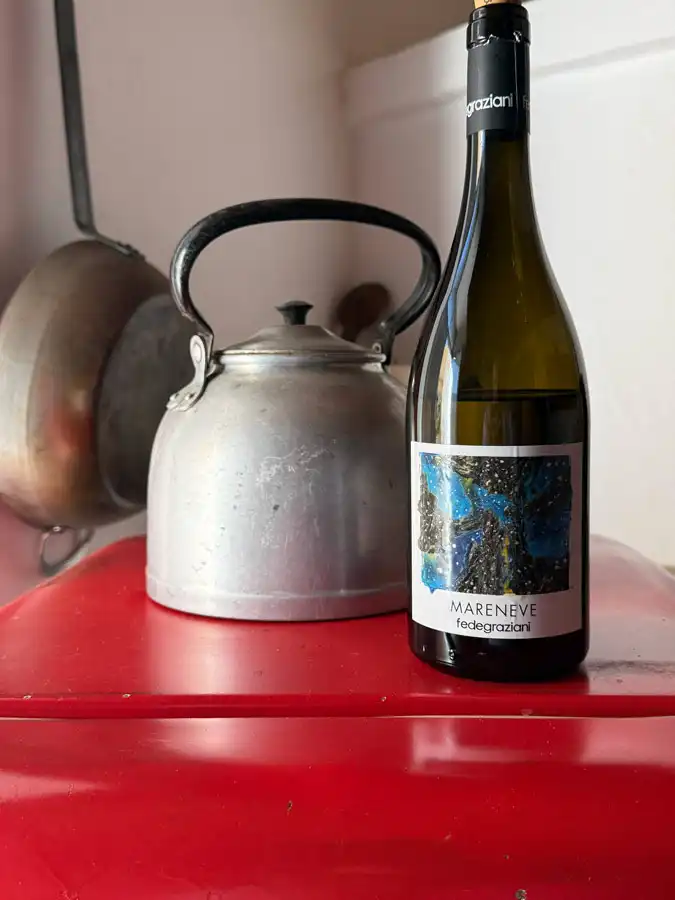
Start with the white, because it surprises people. Mareneve means sea-snow, and its vines grow at about 1,200 metres, as high as Graziani farms. Riesling and Gewürztraminer share the rows with Chenin Blanc, Grecanico and Carricante, Etna’s own white grape, and a long rest on its fine lees in steel gives citrus, white flowers and a salty edge. Pour it beside raw oysters and someone at the table will ask to see the bottle.
The Etna Rosso 2023 is the open door. Mostly Nerello Mascalese with a little Nerello Cappuccio, it never leaves stainless steel, and it shows the grape at its most immediate, with that bright acidity right up front. A few minutes in the ice bucket sharpens it further.
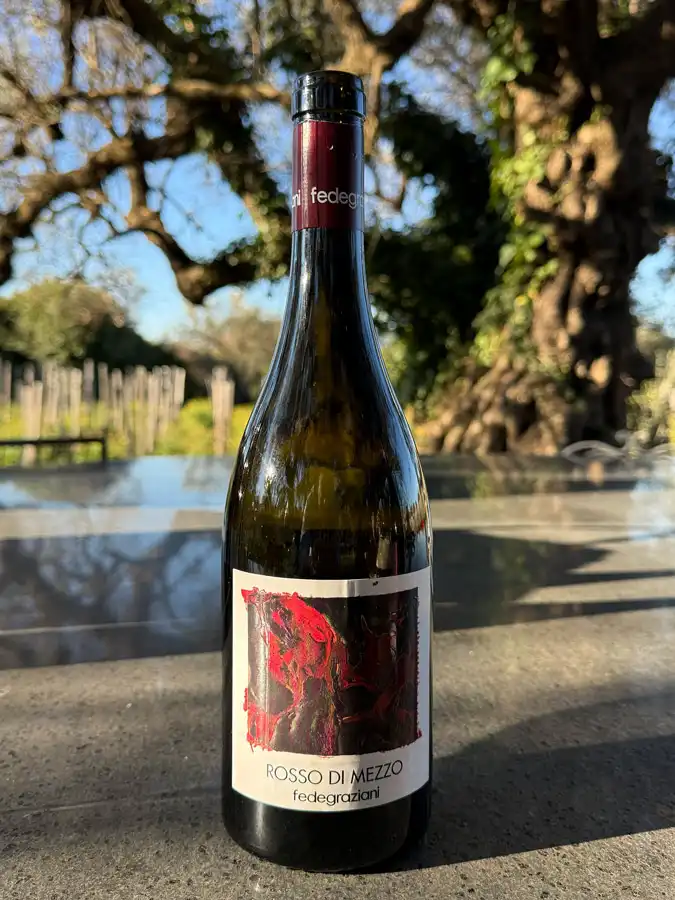
Rosso di Mezzo 2022 comes from Contrada Feudo di Mezzo, near Passopisciaro, at around 600 metres. The grapes ferment in open oak vats before two years in steel, and the wine carries Nerello’s fine, firm tannin while already being open and ready. It comes round sooner than the Profumo, which makes it the bottle for the guest who wants something serious tonight.
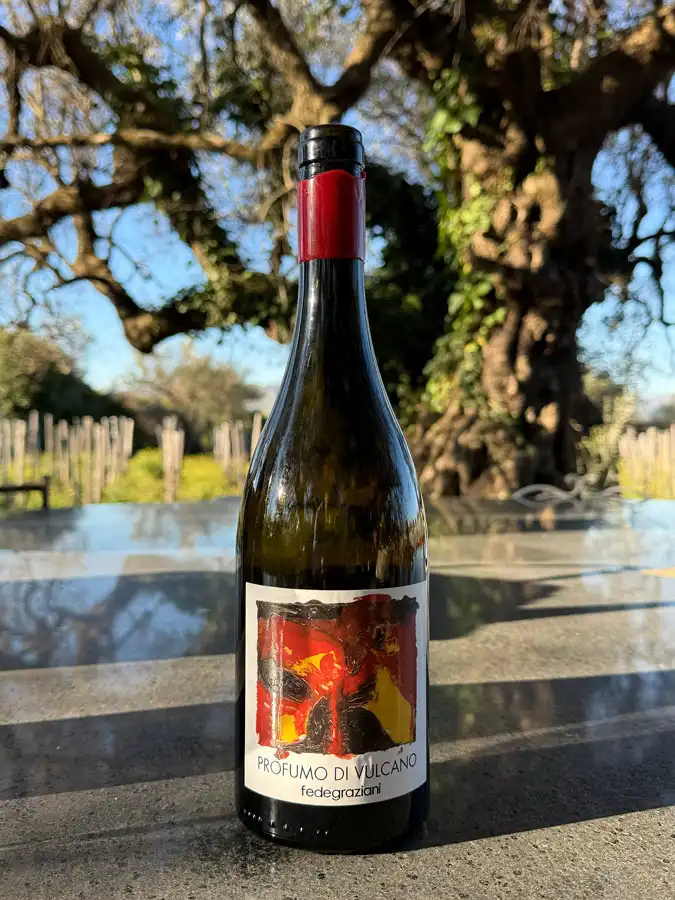
And then the Profumo di Vulcano 2023, from the vineyard Graziani saved. There the Nerello grows mixed with old companions: Alicante, Francisi and about 40 white vines scattered among the reds. In the glass it plays a small trick. The colour is pale enough to promise something light, then the acidity and that assertive tannin take hold. A wedge of aged Pecorino Siciliano is all it asks for. This is the bottle to hand-sell.
Federico knew what drinkers want and what Etna could give
He came to Etna as an outsider, and he brought an international view with him. Years on the floor had taught him what people look for in a glass. The mountain showed him what it could offer. His wines sit where the two meet: bright acidity, a mineral edge and the character of volcanic soil.
That pays off on any serious list, and most of all in the on-trade. In both the markets we work in, buyers already know the language, whether their reference point for volcanic wine is Santorini or Hungary.
These are fine wines, and they belong where fine wine is sold. The Etna Rosso is the easiest to place, with the freshness to earn a line on a premium by-the-glass list. The Mareneve, the Rosso di Mezzo and the Profumo do their best work in a fine-dining pairing or at the top of a glass list, where the guest has time to hear the story. All four are in the WTI portfolio, so the range can go on together.
Picture a tasting menu reaching its red course. The table wants something they have not drunk before, and the dish asks for lift rather than weight. Pour the Rosso di Mezzo with a line that takes ten seconds: “Made on the north face of Etna by the man named Italy’s best sommelier.” The guest who wants to know more is the one you lead to the Profumo di Vulcano on the next visit.
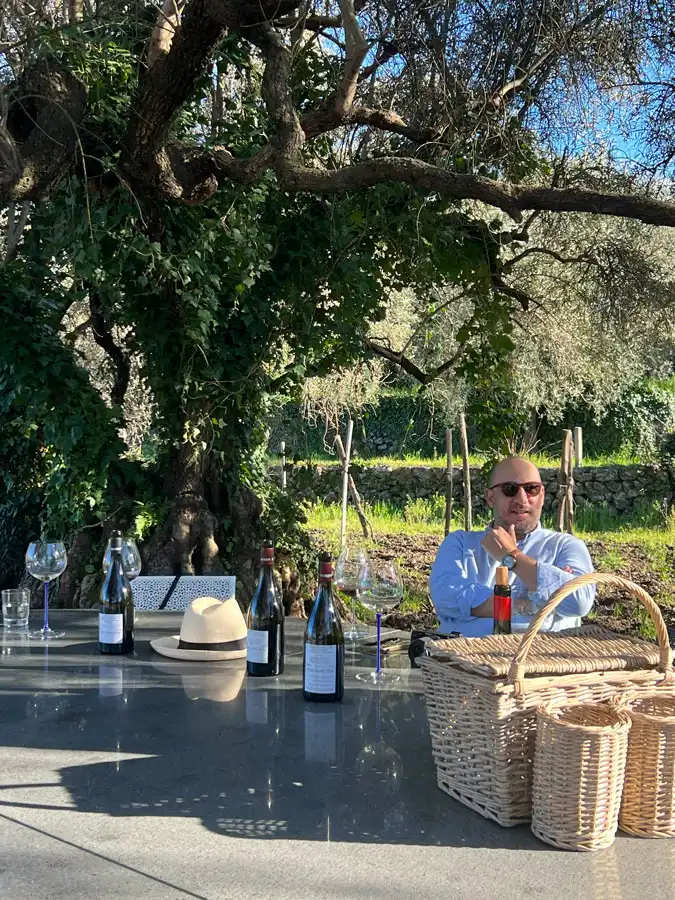
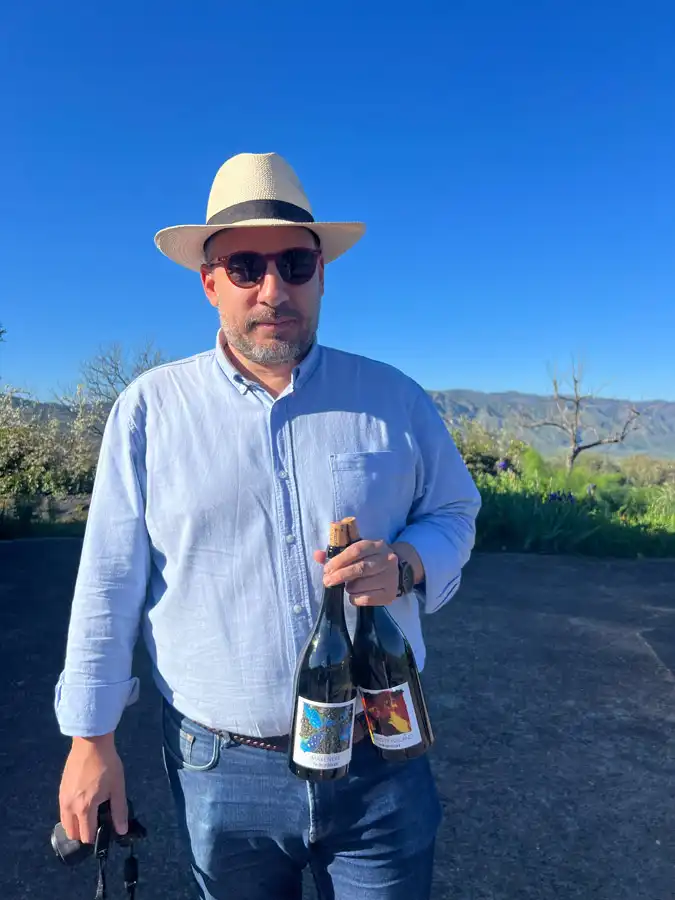
Federico spent his early career deciding which wines earned a place on the list. Now he makes them, and the decision is yours.
Book a tasting and we will bring the Etna Rosso and the Profumo di Vulcano to you: both ends of the range, from the glass pour to the oldest vines.